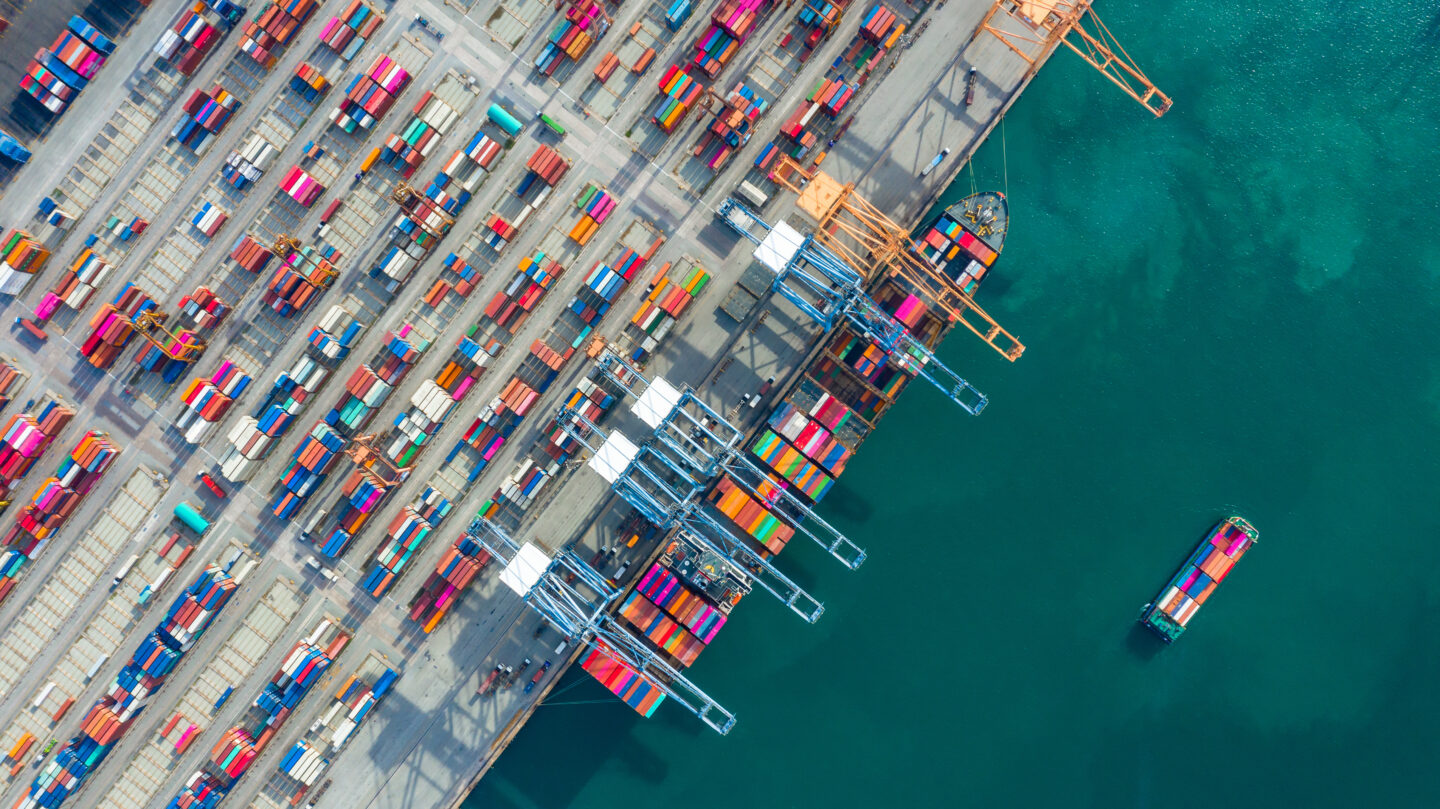
See the Full Border Picture
Bring together customs, traveller, cargo, trade, and intelligence data to uncover hidden connections, identify risk sooner, and support faster, more informed border decisions.
Bring together customs, traveller, cargo, trade, and intelligence data to uncover hidden connections, identify risk sooner, and support faster, more informed border decisions.
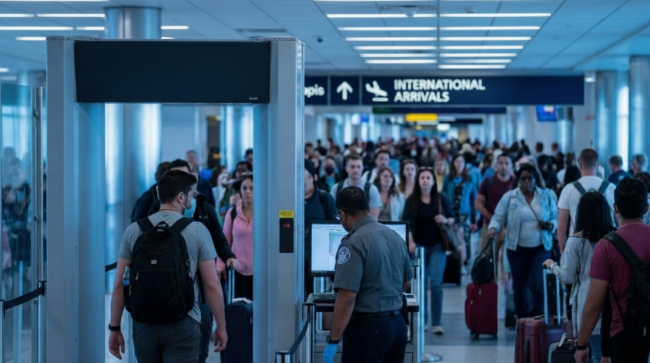
Every day, customs and border teams must make sense of vast flows of people, goods, and information across borders. The challenge is not simply collecting more data, but determining what deserves attention. When relevant signals are spread across systems, agencies, and jurisdictions, suspicious activity can be harder to recognize before it becomes a larger threat.

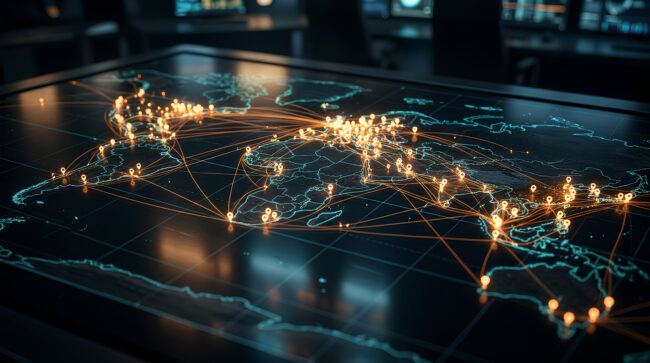
Bring information from across the border environment into a connected view, helping teams see how activity, entities, and events relate across systems and jurisdictions.
Surface unusual movements, relationships, and patterns so teams can focus on activity that warrants closer scrutiny and recognize potential risks sooner.
Give analysts and operational teams the context they need to investigate faster, coordinate responses, and make better-informed decisions at the border and beyond.
Earlier Identification of Risk
More Targeted Screening and Investigation
Greater Visibility Across Border Activity
Stronger Cross-Agency Coordination
Faster, Better-Informed Decisions
Access and analyze relevant information across distributed systems and repositories without requiring every source to be physically centralized.
Bring fragmented records together around common entities and uncover relationships across people, organizations, assets, locations, and events.
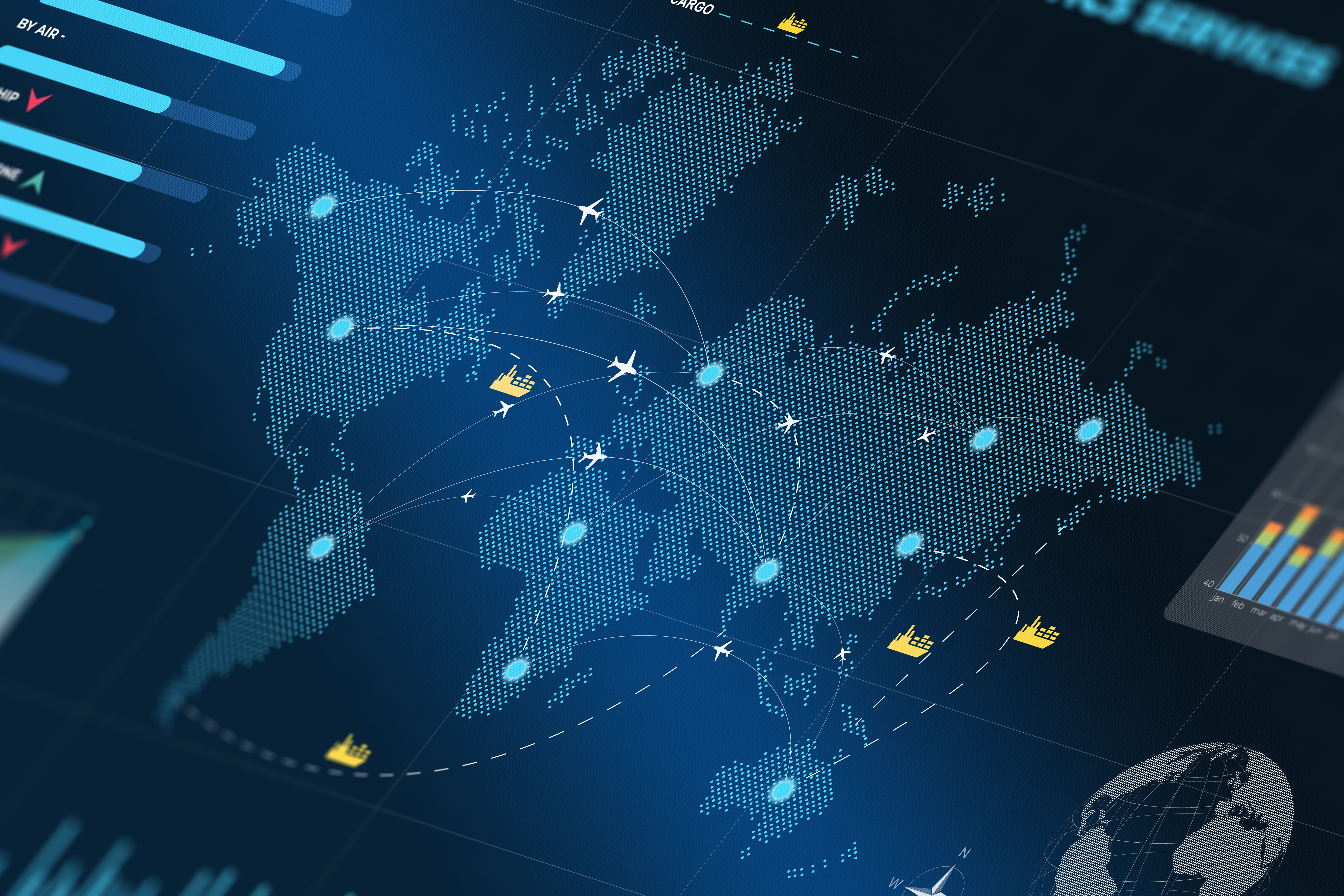
Explore routes, crossings, travel histories, shipment paths, and recurring activity to understand how movement develops across geography and over time.
Use AI across text, audio, imagery, and other digital information to extract relevant details, summarize content, and accelerate analytical workflows.
Apply defined criteria to historical and incoming information to surface significant matches, changes, and activity that may warrant further attention.
Protect sensitive operational and intelligence information with deployment options designed for government environments. 4Sight supports secure access, traceable activity, and controlled information sharing while fitting into existing technical and security architectures.
4Sight can bring together information from traveller, cargo, trade, operational, intelligence, OSINT, and third-party data, helping teams analyze activity across systems that may otherwise remain disconnected.
4Sight helps analysts examine shipments, routes, companies, associated entities, and historical activity together, making it easier to identify inconsistencies, unusual patterns, and connections that may warrant closer investigation.
Teams can place traveller activity in broader context by examining relevant movements, associations, locations, records, and other indicators, helping inform screening, referral, and investigative decisions.
Yes. 4Sight connects people, organizations, assets, locations, movements, and events across multiple sources, helping investigators understand how seemingly separate border activities may form part of a wider network.
Yes. Federated discovery allows teams to find and analyze relevant information across distributed repositories without requiring every source to be physically centralized.
4Sight can apply AI to text, audio, imagery, and other digital information to extract relevant details, summarize content, translate material, and help analysts work through large volumes of information more efficiently.
4Sight supports controlled information access and sharing, helping authorized teams work from relevant intelligence while respecting security, permissions, and organizational boundaries.
Yes. 4Sight can be deployed within controlled environments, helping agencies maintain authority over sensitive data and align deployments with sovereignty, security, and operational requirements.